Tripperia
Fiorentina
I sapori autentici della Toscana
raccontano una storia di famiglia.
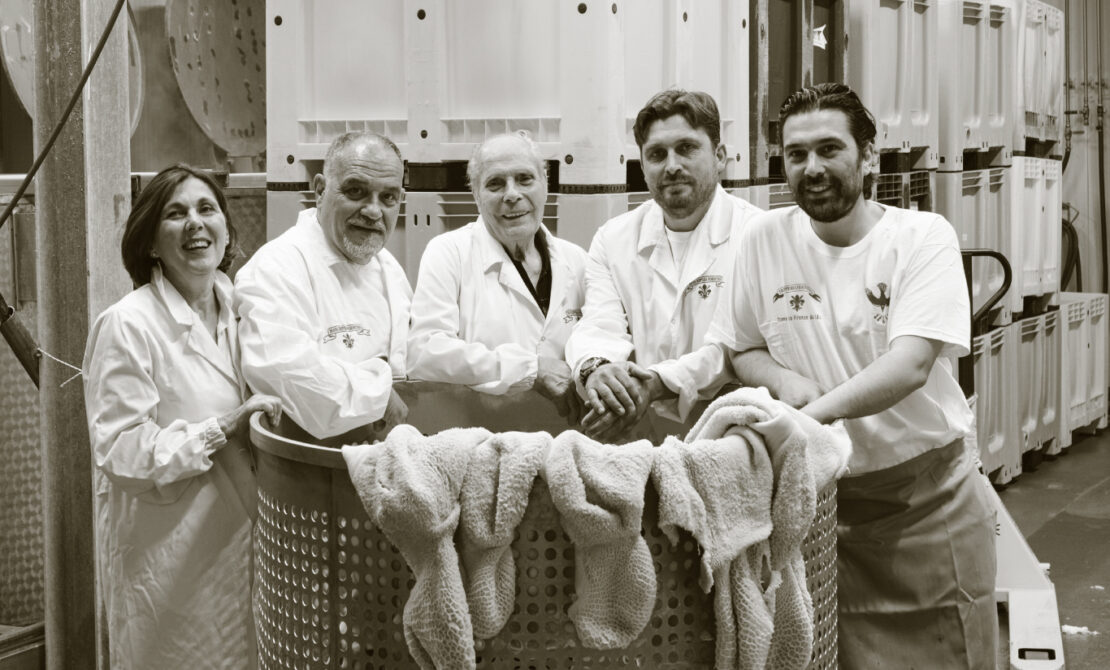
Dal 1890.
Un’arte che si tramanda e si rinnova nel rispetto della tradizione.
Cinque generazioni di trippai, un’unica grande passione.
Tonnellate di carne
Clienti
Dipendenti
L'azienda
Oltre 130 anni di storia e tradizione. Il legame con le nostre origini è la chiave del successo di oggi e il valore aggiunto per gli obiettivi futuri.
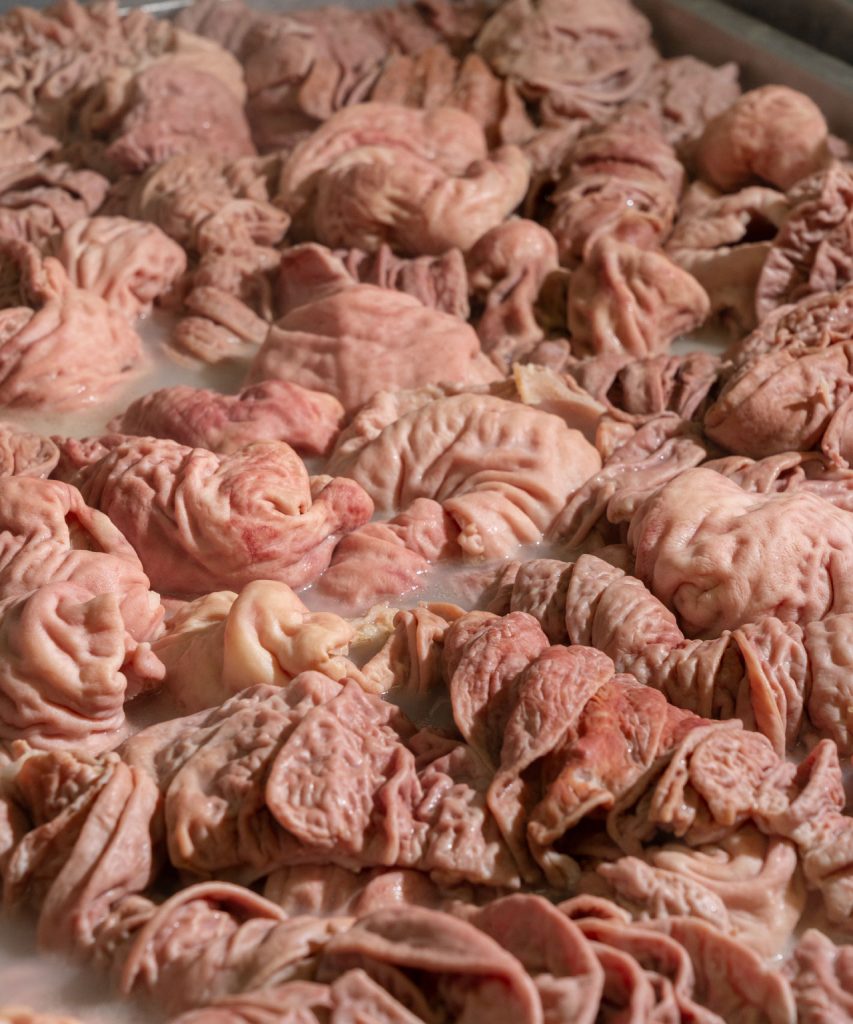
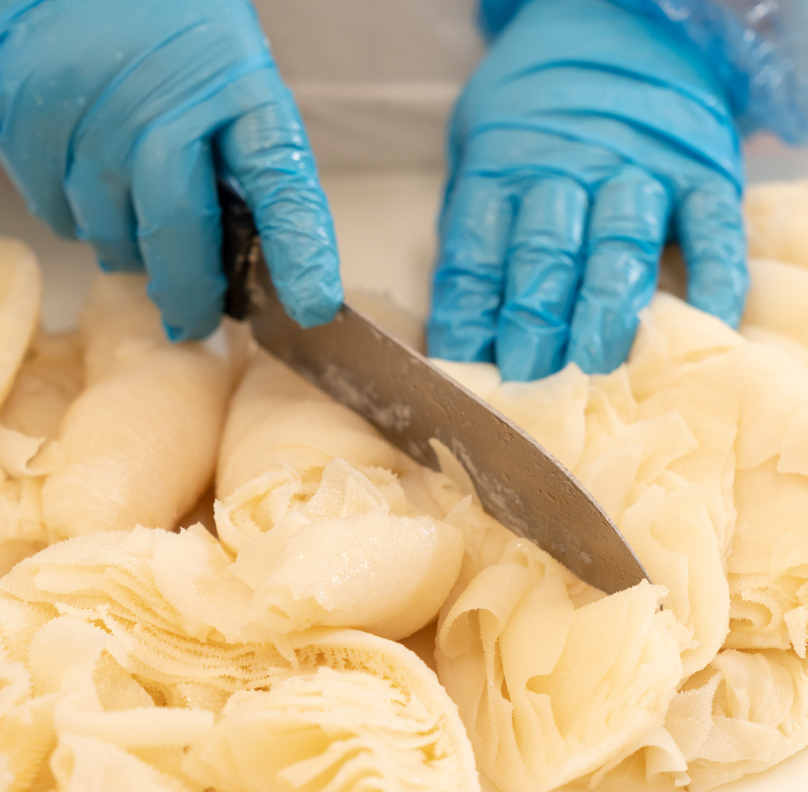
Servizi
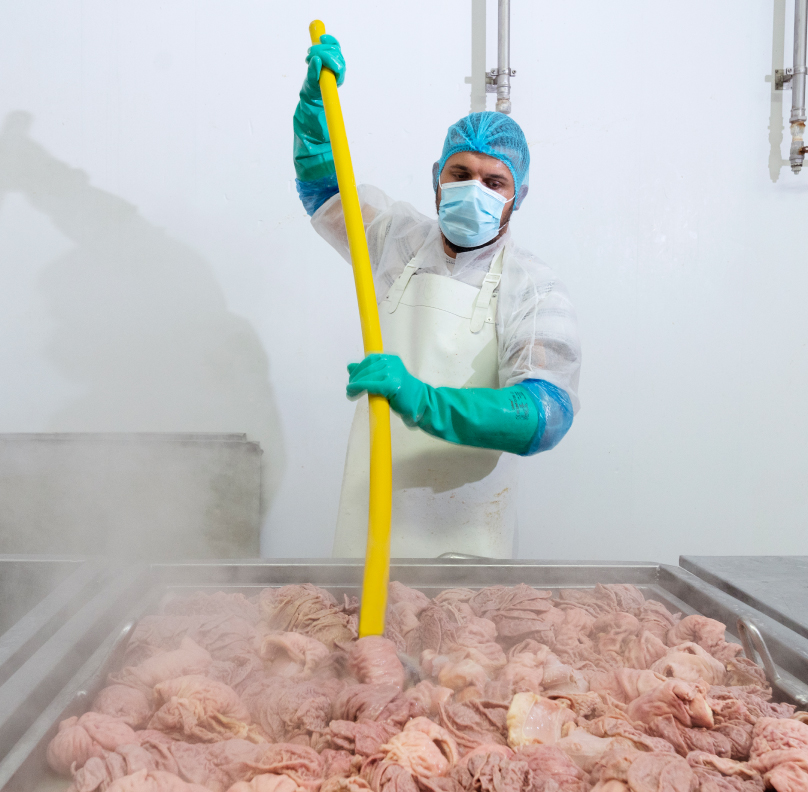
Import e Controllo Qualità. L’esperienza e le competenze della Tripperia Fiorentina garantiscono al mercato italiano prodotti sicuri e di qualità certificata.
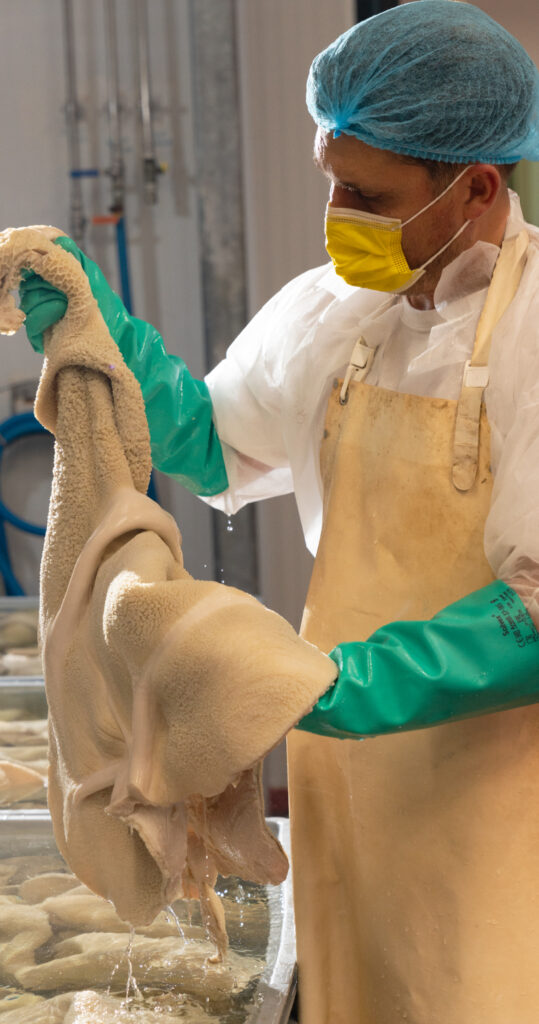
I Prodotti
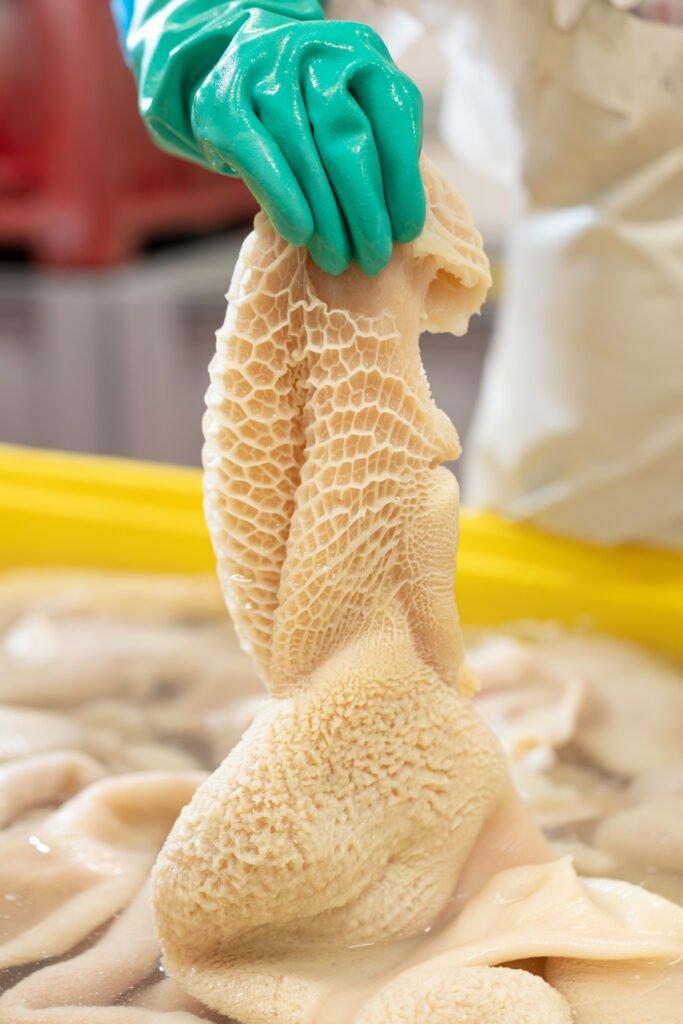
Non solo Trippa e Lampredotto. I nostri prodotti mettono al centro il gusto della cucina popolare toscana.
Dicono di noi
Mugello a tutta trippa. A Barberino uno dei laboratori più importanti d’Italia, la Nuova tripperia fiorentina
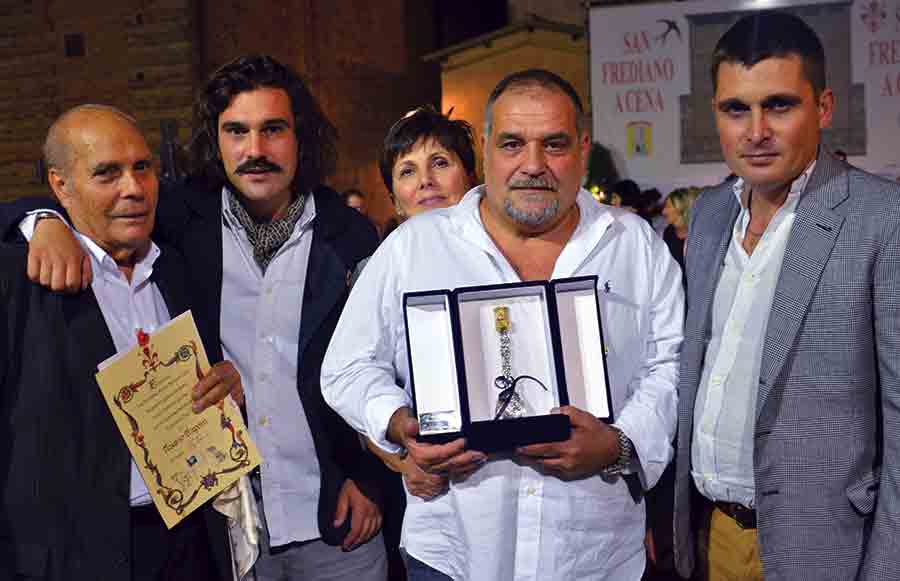
Il Filo - Mugello in tavolaEccellenza, passione, tradizione e fiorentinità: sono queste le grandi signore che, nel 2017, hanno fatto sì che ci aggiudicassimo il Torrino d’oro, il prestigioso premio all’insegna della Fiorentinità e Solidarietà consegnato in occasione della diciassettesima edizione di “San Frediano a cena”.
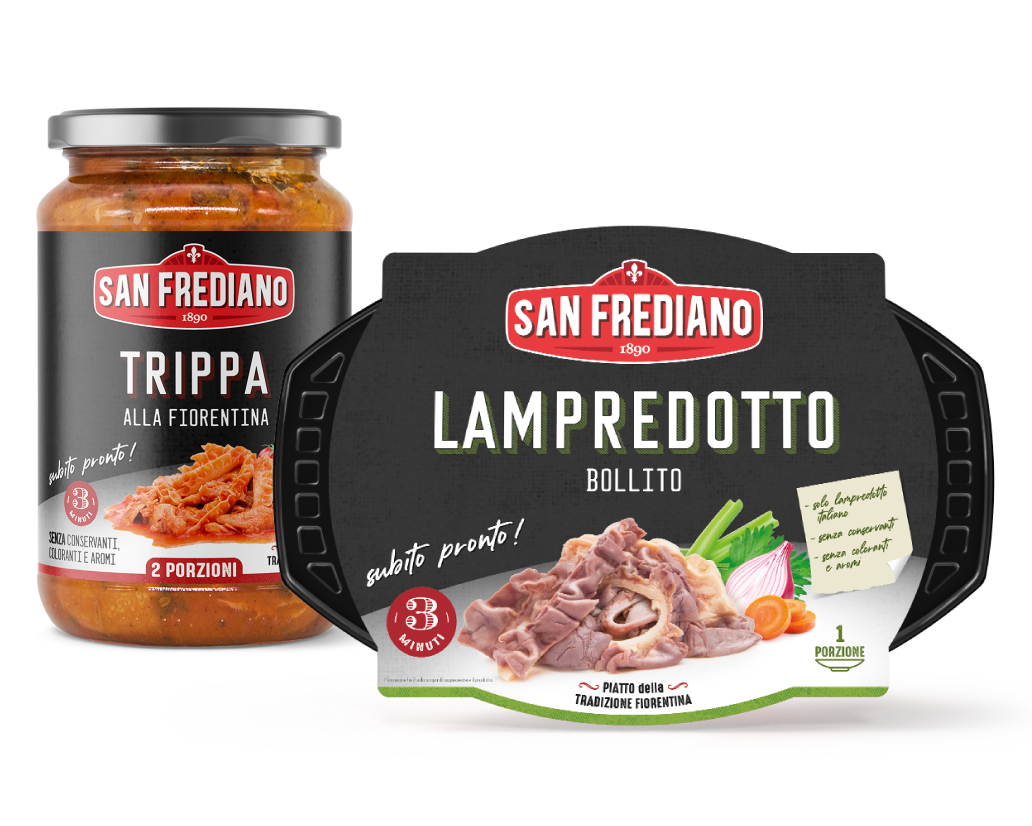
San Frediano 1890
I piatti della tradizione fiorentina e toscana pronti in pochi minuti. San Frediano 1890: un nuovo marchio, una nuova linea di prodotti.